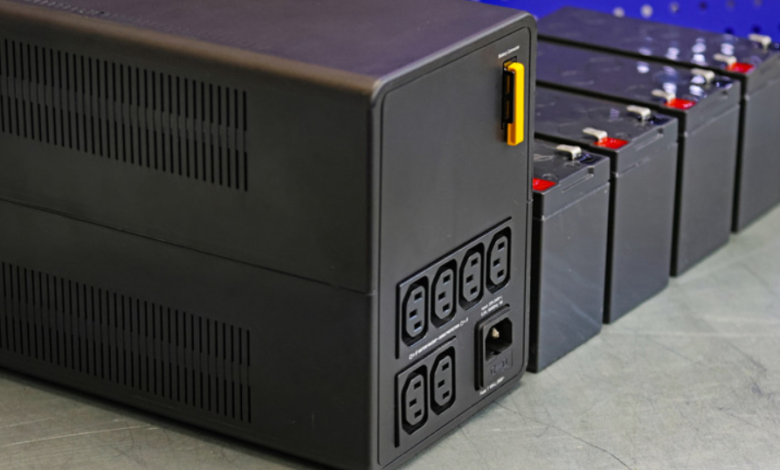
In today’s technology-driven world, power reliability is crucial. A sudden power outage can cause significant disruptions to homes, offices, and industries. This is where an uninterrupted power supply (UPS) becomes essential. But what exactly is it, and how does it work? In this article, we will thoroughly define uninterrupted power supply, explain its types, benefits, and answer some frequently asked questions.
What is an Uninterrupted Power Supply?
To define uninterrupted power supply, it is an electrical device that provides emergency power to a load when the main power source fails. Essentially, a UPS acts as a backup power system that ensures continuous and stable electricity supply. It prevents sudden shutdowns of electronic equipment, which can lead to data loss, equipment damage, or system failure.
UPS devices are widely used in computer systems, medical equipment, data centers, and industrial machinery, where even a brief interruption in power can result in serious consequences.
See also: The Impact of Interest Rates on Real Estate Markets
How Does an Uninterrupted Power Supply Work?
A UPS works by instantly supplying power from its batteries when it detects a disruption or failure in the main power source. Here is a simplified process of how it operates:
- Normal Operation: When utility power is stable, the UPS charges its internal battery and allows the electrical equipment to run normally.
- Power Failure Detection: The UPS constantly monitors the input voltage. When it senses a power outage, surge, or voltage fluctuation, it immediately switches to battery power.
- Backup Power Supply: The internal battery provides electricity for a specific duration, allowing critical devices to continue operating.
- Restoration: Once the main power supply is restored, the UPS switches back and recharges its batteries for future use.
This rapid switching happens in milliseconds, ensuring that sensitive devices experience virtually no interruption.
Types of Uninterrupted Power Supply
There are three main types of UPS systems, each designed to meet different needs:
- Offline or Standby UPS:
- Best for small devices and home electronics.
- Provides basic protection against power outages and voltage fluctuations.
- Activates battery backup only when a failure occurs.
- Best for small devices and home electronics.
- Line-Interactive UPS:
- Suitable for small to medium-sized businesses.
- Offers better voltage regulation and protects against surges and sags.
- Can correct minor power fluctuations without switching to battery.
- Suitable for small to medium-sized businesses.
- Online or Double-Conversion UPS:
- Designed for mission-critical equipment and data centers.
- Provides a continuous power supply with zero transfer time.
- Converts incoming AC power to DC and then back to AC for cleaner, stable output.
- Designed for mission-critical equipment and data centers.
Benefits of an Uninterrupted Power Supply
Investing in a UPS offers multiple advantages, including:
- Prevents Data Loss: Protects computers and servers from unexpected shutdowns.
- Protects Equipment: Reduces the risk of damage caused by voltage fluctuations or surges.
- Ensures Continuous Operations: Critical for hospitals, banks, and data centers where downtime is unacceptable.
- Enhances Power Quality: Some UPS systems filter power, reducing noise and electrical disturbances.
- Peace of Mind: Offers security knowing that operations can continue even during a power failure.
FAQs About Uninterrupted Power Supply
1. How long can a UPS provide power?
The duration depends on the UPS capacity and battery size. Small UPS systems may provide 5-30 minutes, while industrial-grade UPS can last several hours with extended battery banks.
2. Can a UPS replace a generator?
Not entirely. A UPS is ideal for short-term power outages, while generators are suitable for long-term power supply. However, both can work together for comprehensive backup solutions.
3. How often should UPS batteries be replaced?
Typically, UPS batteries last between 3 to 5 years. Regular maintenance and monitoring can extend battery life.
4. Is a UPS only for computers?
No. UPS systems protect various devices including medical equipment, networking hardware, telecommunication systems, and home appliances.
5. What is the difference between offline and online UPS?
Offline UPS is suitable for basic backup and small electronics, while online UPS provides continuous, high-quality power for critical systems with zero interruption.
Conclusion
To define uninterrupted power supply, it is a vital device that ensures a continuous and stable flow of electricity during power interruptions. By protecting sensitive electronics, preventing data loss, and supporting critical operations, UPS systems have become indispensable in modern life. Whether for home, office, or industrial use, choosing the right type of UPS can save time, money, and potential disasters caused by unexpected power failures.